Children are naturally curious about stories that feel older than the world they know. Ancient myths offer mystery, adventure, and meaning, yet they can sometimes feel distant or difficult for young readers to understand. The challenge for modern storytelling is to present these timeless tales in a way that feels welcoming and clear without stripping away their wonder.
Why Ancient Myths Still Matter
Myths have always been a way to explain values, choices, and the world itself. Long before written history, stories were used to pass down lessons about courage, fairness, and responsibility. Children today may live in a very different world, but the questions they face are often the same. Stories about facing fear, helping others, and making thoughtful decisions still speak to them.
When myths are told with care, they help children explore big ideas through simple actions. A quest becomes a way to understand persistence. A challenge becomes a lesson in patience or teamwork. These themes do not need complex language to be effective.
Making Myths Accessible Without Simplifying Them
One of the most effective ways to introduce ancient myths to children is through relatable characters. When young readers see a child hero asking questions and learning along the way, the story feels closer to home. Clear goals and understandable stakes help children stay engaged without feeling overwhelmed by unfamiliar names or settings.
Stories that respect the intelligence of children while offering guidance allow myths to shine. The magic remains because it is woven naturally into the story rather than explained in heavy detail.
Using Familiar Figures as Gentle Guides
Ancient myths often include powerful figures like wise magicians or legendary kings. When these characters appear as mentors rather than central heroes, they help bridge the gap between past and present. Children can appreciate their wisdom while still focusing on the journey of the main character.
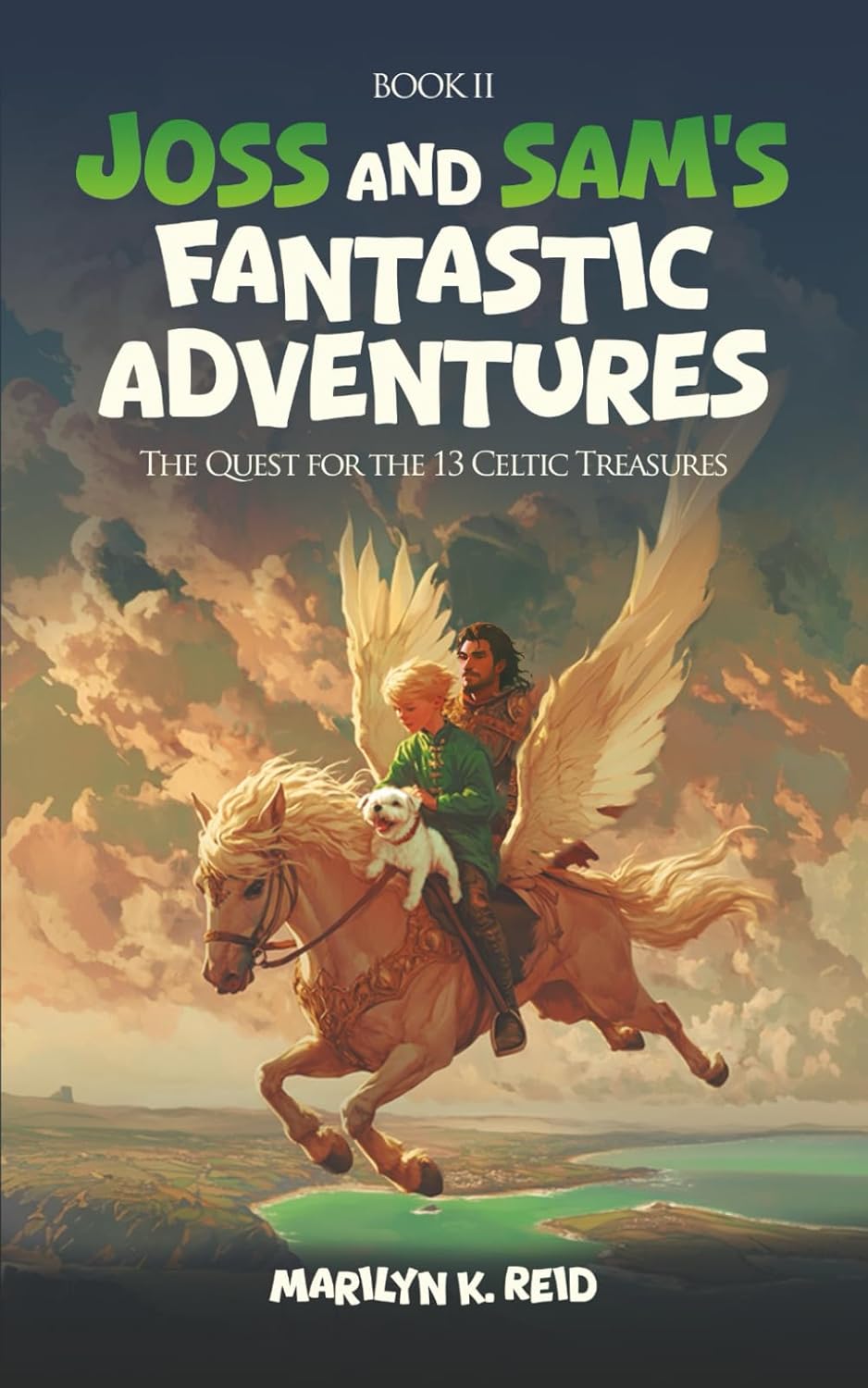
This approach shows how Joss and Sam’s Fantastic Adventures Book 2 by Marilyn K. Reid bridges ancient Celtic lore with accessible storytelling for children aged 8 to 13. The legends remain intact, but they are presented through a lens that feels approachable and engaging.
Blending Myth With Everyday Emotions
What truly keeps the magic alive is emotion. Children connect to stories when they feel empathy for the characters. Fear, excitement, doubt, and hope are emotions they understand well. Ancient myths become meaningful when these feelings are allowed to guide the narrative.
In Joss and Sam’s Fantastic Adventures Book 2, ancient Celtic legends are blended with moments of friendship, loyalty, and growth. The myths are not treated as distant history. They become part of a living story where young readers can see themselves reflected.
Why This Balance Works for Families and Educators
Parents and educators often look for stories that both entertain and offer substance. Myth-inspired books that balance clarity with depth provide opportunities for discussion and learning. They encourage curiosity about history and legend while supporting reading confidence.
Children are more likely to explore deeper ideas when they feel comfortable and interested. A well-told myth does not push lessons forward. It invites readers to discover them.
A Worthwhile Reading Experience
Introducing ancient myths to modern children is about respect for both the story and the reader. When done thoughtfully, the magic remains strong.
Readers looking for a meaningful way to explore Celtic mythology can discover this balance in Joss and Sam’s Fantastic Adventures Book 2 by Marilyn K. Reid. It offers an engaging path into ancient lore while keeping the story clear, relatable, and full of heart.
Explore Joss and Sam’s Fantastic Adventures Book 2 by Marilyn K. Reid, available on Amazon: https://www.amazon.com/dp/B0G7WR9TVT/.